60+ Fun Games & Activities for Elderly: The Complete Guide for Senior Citizens
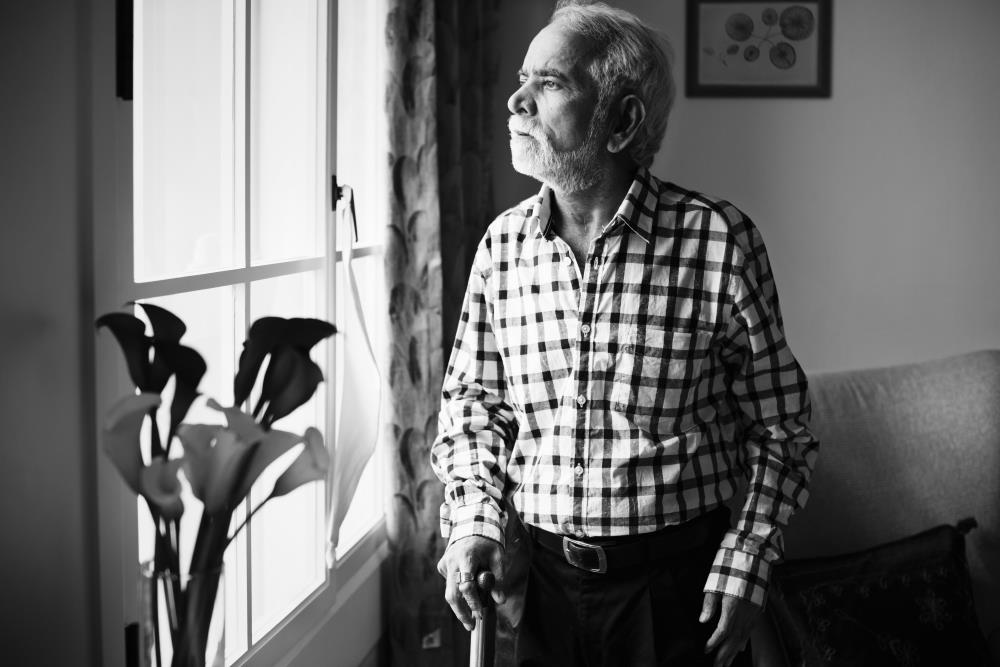
April 1, 2026A mother who forgets to eat. A father who withdraws from conversations. An empty nest that feels a little too quiet. A phone call that ends with “Everything is fine,” even though something feels different.
If you are caring for an aging loved one—or even if you are simply paying attention—you have likely noticed changes. Some are subtle. Some are alarming. Some leave you wondering: Is this normal? Should I be worried? What can I do?
You are not alone.
Across India, millions of families are navigating the complexities of aging. The challenges are real, but so is the power of awareness, community, and compassionate action.
At VridhCare, we are a non-profit organization dedicated to creating awareness about dementia and supporting families as they navigate the challenges of aging. We do not provide medical services or paid caregivers. Instead, we work with families, communities, and volunteers to build understanding, reduce stigma, and create dementia-friendly neighborhoods where every senior lives with dignity and connection.
This guide is our effort to help you understand the common problems people face in old age—physical, mental, emotional, and social—and to show you how awareness can lead to meaningful action.
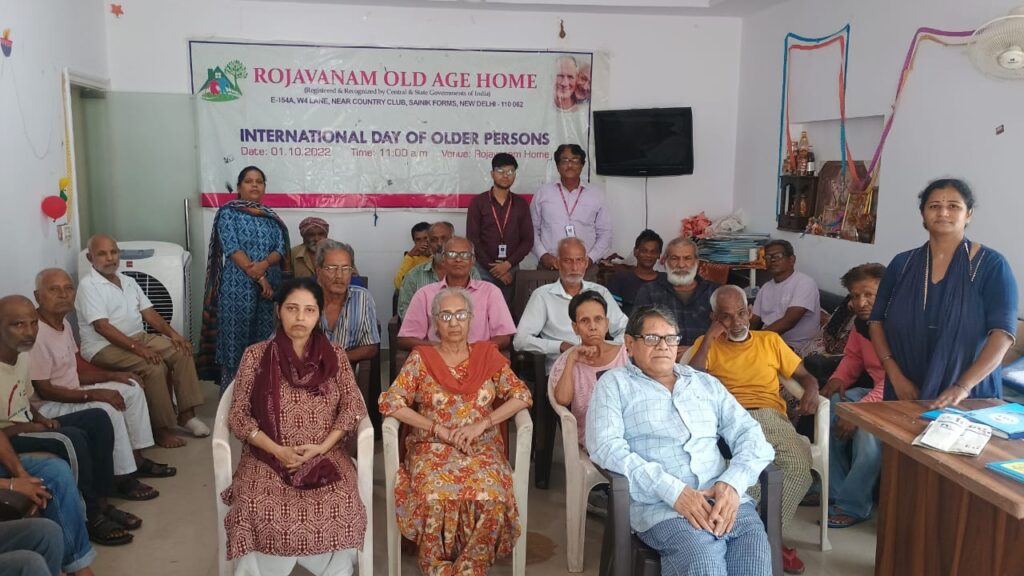
Physical Health Challenges in Old Age
The body changes with age. Some changes are gradual; others arrive suddenly after a fall or an illness. Understanding these physical challenges helps families respond with patience and informed care.
1 Mobility and Joint Issues
Arthritis, osteoporosis, and general muscle weakness (sarcopenia) affect a large proportion of older adults. These conditions make everyday activities—walking, climbing stairs, getting out of a chair—difficult and sometimes painful.
What families can do:
- Encourage gentle movement like walking or chair exercises
- Consult a physiotherapist for safe mobility plans
- Make the home safer: remove loose rugs, add grab bars in bathrooms, ensure good lighting
2 Chronic Conditions
Hypertension, diabetes, heart disease, and chronic respiratory conditions are common in later life. Managing these conditions requires regular medical check-ups, medication adherence, and lifestyle adjustments.
What families can do:
- Help organize medications with pillboxes or reminders
- Accompany parents to doctor visits to understand their health status
- Encourage a balanced diet and gentle exercise
VridhCare’s role: We partner with healthcare providers and organize health awareness camps to help families understand chronic conditions and their management.
3 Sensory Decline
Hearing loss and vision impairment are often gradual, making them easy to miss. A senior may stop participating in conversations—not because they are uninterested, but because they cannot hear clearly. They may avoid reading or watching television because the text or screen is blurry.
What families can do:
- Face the person when speaking; speak clearly, not loudly
- Ensure good lighting in all rooms
- Encourage regular eye and ear check-ups
4 Nutrition and Hydration
Loss of appetite, difficulty chewing, reduced sense of taste, and simply forgetting to eat can lead to malnutrition and dehydration—conditions that worsen fatigue, confusion, and overall health.
What families can do:
- Offer small, frequent meals instead of three large ones
- Focus on nutrient-dense foods
- Keep a water bottle within easy reach and encourage sipping throughout the day
Cognitive Challenges: Understanding Dementia
This is the heart of VridhCare’s work. Dementia is one of the most misunderstood and stigmatized conditions affecting older adults. Yet with awareness, families can recognize early signs and provide compassionate support.
1 What Is Dementia?
Dementia is not a normal part of aging. It is a progressive condition that affects memory, thinking, orientation, comprehension, calculation, learning capacity, language, and judgment. Consciousness is usually not affected, but cognitive functions deteriorate over time.
Alzheimer’s disease is the most common form of dementia, accounting for 60–70% of cases.
2 Early Signs Families Should Watch For
- Memory loss that disrupts daily life: Forgetting recently learned information, asking for the same information repeatedly
- Difficulty with familiar tasks: Struggling to prepare a meal, operate a remote, or manage finances
- Confusion with time or place: Losing track of dates, seasons, or getting lost in familiar places
- Changes in mood and personality: Becoming confused, suspicious, depressed, fearful, or anxious
3 The Difference Between Normal Aging and Dementia
| Normal Aging | Possible Signs of Dementia |
|---|---|
|
Occasionally forgetting names or appointments |
Forgetting recently learned information; asking the same question repeatedly |
|
Misplacing keys sometimes |
Putting items in unusual places (e.g., keys in the refrigerator) |
|
Needing help with a new electronic device |
Struggling to perform familiar tasks like cooking or bathing |
|
Feeling sad occasionally |
Persistent withdrawal from social activities and hobbies |
4 Why Awareness Matters
Stigma and lack of awareness often delay diagnosis by years. Families attribute memory loss to “just old age” and miss the opportunity for early intervention. Yet with early awareness, families can:
- Seek proper medical evaluation
- Plan for the future while the person can still participate
- Access support groups and resources
- Reduce caregiver stress through understanding and preparation
VridhCare’s work: We conduct dementia awareness campaigns, caregiver workshops, and community sensitization programs. Our goal is to build dementia-friendly neighborhoods—places where people with dementia are understood, respected, and supported.
Emotional and Mental Well-being
Physical health and cognitive function often dominate conversations about aging. But emotional well-being is equally important—and often overlooked.
1 Depression in Later Life
Depression is not a normal part of aging, yet it is common and frequently goes untreated. It can be triggered by loss of a spouse, retirement, chronic illness, or social isolation.
Signs to watch for:
- Persistent sadness or “emptiness”
- Withdrawal from family and friends
- Loss of interest in previously enjoyed activities
- Changes in sleep and appetite
- Expressions of hopelessness or worthlessness
What families can do:
- Listen without judgment. Sometimes, the greatest gift is simply being present.
- Encourage gentle social engagement
- Seek professional support—counselors and geriatricians can help
2 Anxiety and Fear
Many seniors live with constant fear—of falling, of becoming a burden, of losing independence, of financial insecurity. These fears are real and deserve acknowledgment.
What families can do:
- Validate their feelings: “I understand why you would feel that way.”
- Explore solutions together: “What would help you feel safer?”
- Involve them in decisions about their care
3 Loss and Grief
Later life brings multiple losses—the death of a spouse, siblings, and friends. Each loss leaves a mark. Cumulative grief can feel overwhelming.
What families can do:
- Allow space for grief; do not rush to “cheer them up”
- Share memories and celebrate the lives of those lost
- Connect them with peer support groups where they can share with others who understand
VridhCare’s role: Our community programs create safe spaces for seniors to connect, share experiences, and find companionship. Sometimes, the most healing thing is knowing you are not alone.
Social Isolation: The Silent Crisis
A senior living alone. A parent whose friends have passed away. A phone that rarely rings. Social isolation is one of the most damaging and least visible problems of old age.
Research shows that chronic loneliness can be as harmful to health as smoking 15 cigarettes a day. It increases the risk of depression, dementia, heart disease, and premature death.
1 Signs of Social Isolation
- Avoiding social contact or making excuses to stay home
- Neglecting personal appearance or home cleanliness
- Spending most of the day alone with minimal conversation
- Expressing feelings of being forgotten or unwanted
2 How Communities Can Help
No family can do it alone. Building a supportive community around a senior is essential.
- Neighbors: A daily wave, a cup of tea, a check-in
- Family: Regular phone calls, visits, involving them in family events
- Community groups: Senior citizen associations, religious communities, hobby groups
VridhCare’s work: We organize community engagement programs, awareness events, and volunteer-led initiatives to ensure no senior feels forgotten. Our volunteers visit seniors, spend time with them, and connect them to broader community resources.
Daily Living Challenges
Beyond health conditions, the practical tasks of daily life can become overwhelming.
1 Activities of Daily Living (ADLs)
These are the basic self-care tasks: bathing, dressing, toileting, eating, walking. When these become difficult, it is a sign that support is needed.
What families can do:
- Observe gently; note what is becoming harder
- Explore assistive devices: shower chairs, raised toilet seats, walking sticks
- Share responsibilities among family members
2 Managing Medications
Missed doses, incorrect timing, or mixing medications can have serious consequences. Medication mismanagement is one of the most common reasons for hospitalization in older adults.
What families can do:
- Use pill organizers with compartments for each day
- Set phone alarms for medication times
- Keep an updated list of all medications to share with doctors
3 Financial Management
Paying bills, managing pensions, and avoiding scams become challenging when memory or judgment declines. Seniors are also frequent targets of financial fraud.
What families can do:
- Have open conversations about finances early
- Set up automated payments for recurring bills
- Add a trusted family member to bank accounts for oversight
- Educate seniors about common scams: “If it sounds too good to be true, it probably is.”
Elder Abuse and Neglect
This is a difficult topic, but it must be addressed. Elder abuse—physical, emotional, financial, or neglect—affects countless seniors, often at the hands of family members or caregivers.
1 Warning Signs
- Unexplained bruises, fractures, or injuries
- Withdrawal, fearfulness, or anxiety around certain people
- Sudden changes in financial situation
- Poor hygiene, bedsores, or malnutrition despite having a caregiver
2 What to Do
- If you suspect abuse, talk to the senior privately when they are safe and alone
- Document your concerns
- Report to local authorities, senior helplines, or trusted community organizations
VridhCare’s role: We work with communities to raise awareness about elder rights and create safe reporting mechanisms. No senior should suffer in silence.
3 Financial Management
Paying bills, managing pensions, and avoiding scams become challenging when memory or judgment declines. Seniors are also frequent targets of financial fraud.
What families can do:
- Have open conversations about finances early
- Set up automated payments for recurring bills
- Add a trusted family member to bank accounts for oversight
- Educate seniors about common scams: “If it sounds too good to be true, it probably is.”
When to Seek Help: A Guide for Families
If you are noticing changes in your aging loved one, here are red flags that warrant attention:
| Red Flag | What It May Indicate |
|---|---|
|
Frequent falls |
Mobility issues, balance problems, medication side effects |
|
Unexplained weight loss |
Malnutrition, depression, underlying illness |
|
Wandering or getting lost |
Possible dementia; urgent evaluation needed |
|
Radical mood swings |
Depression, dementia, medication issues |
|
Complete social withdrawal |
Depression, isolation, cognitive decline |
|
Inability to manage finances |
Cognitive decline. |
Where to Turn
| Concern | Resources |
|---|---|
|
Medical issues |
Geriatricians, family doctors, hospital social workers |
|
Cognitive concerns |
Neurologists, memory clinics, dementia support groups |
|
Daily living support |
Family members, community volunteers, local senior citizen organizations |
|
Emotional support |
Counselors, support groups, VridhCare’s community programs |
Note: VridhCare does not provide medical services or paid caregivers. Our role is to connect families with information, awareness, and community resources. We help you understand the problem so you can find the right support.
How VridhCare Makes a Difference
We are a non-profit organization driven by a single mission: to create a world where every person aging with dementia—and their families—is understood, supported, and included.
1 Our Mission
“To create awareness about dementia and build dementia-friendly communities across India, one conversation at a time.”
2 What We Do
| Activity | Description |
|---|---|
|
Dementia Awareness Campaigns |
Community workshops, school programs, corporate sensitization sessions to reduce stigma and promote early recognition |
|
Caregiver Support |
Training sessions, support groups, resource materials for families caring for loved ones with dementia |
|
Community Engagement |
Events, outreach programs, volunteer opportunities to combat social isolation |
|
Advocacy |
Working with local authorities, healthcare providers, and community leaders to build dementia-friendly neighborhoods |
3 Our Impact
Awareness sessions conducted: 100+
Families reached: 2500+
Volunteers trained: 800+
Communities engaged: Multiple
4 A Story from Our Work
(Optional: Insert an anonymized story of a family or senior touched by VridhCare’s work. Example below—please replace with your actual story.)
When Mrs. Sharma’s husband was diagnosed with early-onset dementia, she felt completely alone. “I didn’t know who to talk to or what to expect,” she recalls. Through a VridhCare awareness session, she connected with other caregivers, learned practical strategies, and found the strength to continue caring with compassion. Today, she volunteers with us to help other families starting the same journey.
How You Can Get Involved
Awareness is powerful. But action changes lives. Here is how you can be part of the VridhCare movement.
1 For Families
Attend our awareness sessions: Learn to recognize early signs of dementia and understand how to support your loved one.
- Join our caregiver support network: Connect with others who understand your journey.
- Download our resource materials: Free guides and handbooks to support your caregiving journey.
2 For Volunteers
- Become a community volunteer: Help organize awareness events, visit seniors, or assist with outreach.
- Bring VridhCare to your community: Schools, housing societies, and workplaces can host awareness sessions.
- Spend time with a senior: Sometimes, an hour of conversation can change a day—or a life.
3 For Supporters
- Donate: Your support helps us reach more families with awareness campaigns, caregiver workshops, and community programs.
- Partner with us: Corporate CSR initiatives can help us scale our impact.
- Spread the word: Share this guide, follow us on social media, and talk about dementia awareness in your circles.
Conclusion: Together, We Can Make a Difference
Aging brings challenges. There is no denying that. Physical decline, cognitive changes, emotional struggles, and social isolation can feel overwhelming—for seniors and for the families who love them.
But here is what we also know: No one should face these challenges alone.
At VridhCare, we believe that awareness leads to action, and action leads to change. When families understand what is happening, they can respond with compassion instead of frustration. When communities understand dementia, they can include instead of isolate. When we all come together, we can build a world where every senior lives with dignity, connection, and care.
Whether you are a family member caring for a loved one, a concerned neighbor, a professional looking to learn, or someone who simply wants to make a difference—you are part of this journey.
Thank you for being here. Thank you for caring. And thank you for being part of the VridhCare community.